Welcome to the official website of Hebei Donghai Special Steel Group Co., Ltd.!

Sales Hotline:0315-7560777/7560088
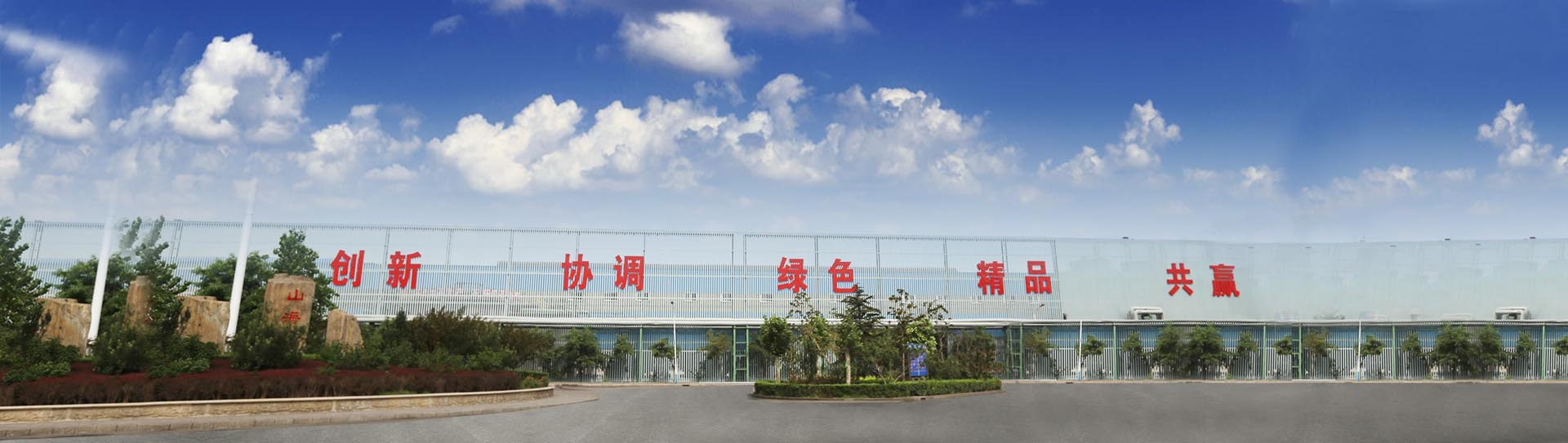

The new Environmental Protection Law imposes unprecedentedly stringent pressure on the steel industry.
Release date:
2015-01-30
The new Environmental Protection Law imposes unprecedented pressure on the steel industry. During interviews, reporters learned that even benchmark companies like Baosteel acknowledge that meeting certain standards will be challenging. However, industry insiders and relevant experts argue that the steel sector should leverage this situation to establish a regulatory framework that balances legal requirements with market forces—moving away from the previous reliance on purely administrative measures. Crucially, enforcement must be both rigorous and equitable.
“Following the enactment of the new Environmental Protection Law, and particularly after the release of eight new standards targeting the steel industry, the sector has been profoundly shaken,” said Cui Jian, Deputy General Manager of Baosteel Group.
According to an analysis by Baosteel’s research department, the new standards cover virtually all production processes, from iron ore mining and beneficiation through sintering, coking, and ironmaking to steel rolling. Environmental management in the steel industry now addresses a more detailed and comprehensive range of pollutants, with emission limits significantly tightened.
Researchers at domestic steel research institutions, including “MySteel,” believe that the new standards can, in some respects, be described as “stringent.” Steelmakers will need to invest substantial capital in upgrading their environmental protection technologies, posing a significant challenge for an industry already characterized by meager profits and widespread losses.
For many years, the steel industry has been calling for a shift in regulatory approaches—from an “administrative” model to one grounded in law and market mechanisms.
The “law‑and‑market”‑based regulatory mechanism rests on one fundamental principle: establishing a new baseline for corporate development that prioritizes compliance with the law. Industry experts, including Cui Jian, note that the newly adopted Environmental Protection Law wields two powerful tools: first, daily continuous fines—when a violating or non‑compliant enterprise fails to meet its remediation targets within the legally prescribed deadline, it is subject to ongoing daily penalties without an upper limit. This significantly raises the cost of non‑compliance for polluting firms, helping to address the problem of excessively low pollution‑related costs and opening the door to the possibility that polluters could be driven to bankruptcy through punitive measures. Second, it holds corporate legal persons accountable by imposing administrative detention and other sanctions on those who commence construction without approval, refuse to make corrections, or deliberately cause serious environmental incidents. As a result, environmental violations not only entail financial losses but also expose the legal representative to liability, while both the company and its legal representative suffer severe damage to their public reputation.
Next page
Next page
Friendly Links:China Iron and Steel Association丨China Iron and Steel Association丨Hebei Provincial Department of Industry and Information Technology
Website Home丨Group Overview丨News and Information丨Marketing Strategy丨Production process丨Technological innovation丨Workplace safety丨Green Development丨Circular economy丨Human Resources丨Corporate culture丨Planning Outlook丨Contact Us
All rights reserved © Hebei Donghai Special Steel Group Co., Ltd.
Website Development:China Enterprise Dynamics Tangshan SEO