Welcome to the official website of Hebei Donghai Special Steel Group Co., Ltd.!

Sales Hotline:0315-7560777/7560088

Hebei Donghai Special Steel Group Co., Ltd. 2025 Corporate Social Responsibility Report
Release date:
2026-07-21
Hebei Donghai Special Steel Group Co., Ltd.
2025 Corporate Social Responsibility Report
Preface
In 2025, the inaugural year for fully implementing the spirit of the 20th National Congress of the Communist Party of China, Hebei Donghai Special Steel Group Co., Ltd., under the sound leadership of its superior authorities, will deeply study and apply the guiding principles of the Congress, assuming responsibility toward the environment, consumers, and society. By leveraging responsibility to drive development, build its brand, expand markets, and enhance its public image, the company is committed to becoming a model enterprise that earnestly fulfills its social obligations, striving to achieve a harmonious integration of corporate growth and social responsibility, and presenting to society its most sincere report through genuine dedication and concrete action.
Company Profile
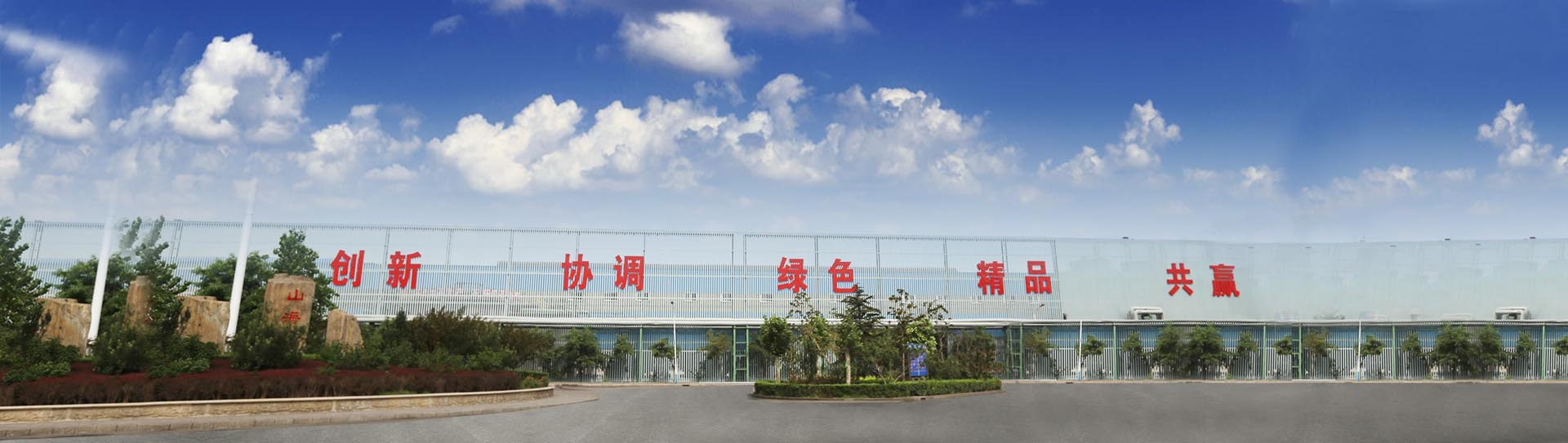
Hebei Donghai Special Steel Group Co., Ltd. is located in the Ciyutuo Industrial Park of Luanshi City, Hebei Province. Established in 2009, the company has a registered capital of RMB 3.1575 billion, occupies over 4,500 mu of land, and employs more than 10,000 people. It has developed a comprehensive circular‑economy industrial chain encompassing coking, oxygen production, sintering, lime production, pelletizing, ironmaking, steelmaking, rolling, coal‑gas and waste‑heat power generation, comprehensive utilization of slag, and wastewater treatment and recycling. The company primarily manufactures hot‑rolled ribbed reinforcing bars for reinforced concrete, as well as carbon structural steels, high‑quality carbon structural steels, low‑alloy high‑strength steels, medium‑ and wide‑strip steels for cold‑rolling and stamping, and hot‑rolled coil sheets. Its products are distributed across Beijing, Shanghai, Tianjin, Inner Mongolia, Shandong, Shanxi, Heilongjiang, Liaoning, Jilin, Henan, Zhejiang, Fujian, Guangdong, Guangzhou, Hainan, and the areas surrounding Tangshan, with some products exported overseas. The company is a member of several industry self‑regulatory organizations, including the China Iron and Steel Association, the Hebei Metallurgical Association, and the Tangshan Municipal Iron and Steel Industry Association. It has been awarded the national-level Green Factory designation by the Ministry of Industry and Information Technology and the provincial-level Zero‑Waste Factory title, meets ultra‑low emission environmental standards, and has received an A‑grade performance rating from the Ministry of Ecology and Environment.
Product Quality Control
Under the new normal of the economy and amid fierce, multi‑faceted competition in the steel industry, the company has steadfastly hoisted the sails of its industrial strategy, demonstrating resilience and unwavering determination. It is committed to a premium‑quality strategy, continuously driving technological innovation and product upgrades. The company has established a Technology Center, implemented a brand‑building management system, and put in place a robust quality‑control framework, thereby forming an integrated, independently innovative system that links production, academia, research, and sales—market‑oriented and supported by key national research institutes and universities—and actively pursues cross‑disciplinary, independent innovation. In 2021, its affiliated physicochemical laboratory was accredited by the China National Accreditation Service for Conformity Assessment (CNAS), obtaining CNAS laboratory certification. Also in 2021, the company was recognized as a Tangshan Municipal Enterprise Technology Center, and in 2022, it earned the designation of Hebei Provincial Enterprise Technology Center. Its product quality‑control capabilities now rank among the best in China.
“Quality is the lifeblood of an enterprise and the cornerstone of its value!” Guided by this principle, the company remains committed to a path of “diversified products, superior quality, and sustainable profitability,” building Donggang’s brand equity through high‑quality offerings. Building on its existing certification under a quality management system, the company continuously pursues improvement, rigorously controls every process and stage, and ensures that its products are “zero‑defect.”
The company has established a Product Quality Control Center, integrating product quality control activities throughout the entire product development and manufacturing process. Each production stage is equipped with rigorous mechanisms for control, oversight, and continuous improvement, and every process step features clearly defined quality control objectives and corresponding control measures.
The company’s product quality‑testing capabilities have reached an industry‑leading standard, with state‑of‑the‑art testing equipment in place to ensure that data from every stage of production and product quality inspections are timely, accurate, authentic, and reliable.
The “Donggang” brand hot-rolled ribbed reinforcing steel and coiled products have obtained the National Industrial Product Production License and been recognized by the Hebei Provincial Bureau of Quality and Technical Supervision as high‑quality, well‑known brand products; the strip steel has been awarded the title of “Hebei Province High‑Quality Product”; the hot‑rolled ribbed reinforcing steel and steel strips have received the “Golden Cup Quality Product” certificate from the China Iron and Steel Association; and the company has been honored with the “MC Certified Ten‑Year Stable Quality Enterprise” and “MC Certified Most Influential Quality Brand” awards from MCC Testing & Certification Co., Ltd. Furthermore, the “Donggang” brand threaded steel produced by the company has been registered as a branded product with the Shanghai Futures Exchange and is eligible for futures trading.
High-quality products and impeccable service are the key to Donggang Group’s success in expanding and consolidating its market position, with customer satisfaction consistently maintained at 100%.
Safety Management Work
1. Occupational Health and Safety Management System
The company has established a Safety Production Committee and a safety management network. The Safety Department is responsible for overseeing the company’s safety management, while each production unit has a dedicated Safety Section. Furthermore, every unit has set up a “Safety Production Leading Group” and a corresponding safety management network. This structure ensures clear delineation of authority and accountability, with well-defined responsibilities and effective oversight, thereby providing robust organizational support for safe production. Each year, the company signs “Safety Responsibility Agreements” with the principal leaders of all units and implements a risk‑deposit system along with a safety management performance‑evaluation framework.
Since July 2012, the company has been establishing an occupational health and safety management system. By October 2012, it had completed foundational tasks such as training internal auditors, identifying applicable laws and regulations, conducting compliance assessments, and performing hazard identification, as well as preparing the management manual and procedural documents. On December 1, 2012, these documents were approved by the General Manager and put into effect. In May 2013, the company successfully passed the audit conducted by the Fangyuan Certification Group and obtained the Certificate of Occupational Health and Safety Management System. Through the continuous implementation of the occupational health and safety management system and ongoing improvements to its performance, the company has achieved significant results in occupational health and safety management.
2. Improve the safety production management system
In accordance with the Work Safety Law, a work safety responsibility system has been established, and a comprehensive set of work safety management systems has been put in place. Following several years of continuous improvement, the work safety responsibility framework has now been refined. Through the implementation of local‑area management, a risk‑deposit system, and mutual‑assurance safety measures, coupled with the promotion of safety standardization, a holistic, all‑encompassing safety responsibility system has been forged—one characterized by unified corporate leadership, full accountability at each unit level, and broad participation by all employees.
3. Strengthen safety organizational management and ensure adequate staffing of full-time safety management personnel.
Each production unit has established a safety department, and all units have set up safety production leading groups. The company and plant-level management are staffed with full-time safety managers holding professional qualifications, while workshops and work teams have appointed part-time safety officers. This has created a comprehensive safety management network that extends from the general manager at the top to frontline employees at the bottom, ensuring that safety management is implemented across all levels and areas, achieving full coverage with no blind spots.
4. Safety Production Education and Training
The company’s general manager, deputy general managers, plant directors, and full-time safety management personnel have all completed the training and examinations organized by the government’s safety supervision authorities and are certified to perform their duties. For newly hired employees, those reassigned to new positions, and those returning to work after an absence, a four-level safety training program is rigorously implemented. Annual, quarterly, and monthly safety education and training plans have been developed for managerial staff and all current employees, with strict adherence to their execution; both the coverage rate and the pass rate of these programs have reached 100%. Furthermore, specialized‑operation personnel undergo regular specialized‑operation training, ensuring a 100% certification‑to‑work compliance rate.
In recent years, through the continuous refinement of the occupational health and safety management system and the implementation of effective control measures, the company has achieved a fundamental improvement and advancement in its workplace safety management. The incidence of safety accidents has declined year after year, with zero major accidents, and the company has been recognized annually by both the city and county as an advanced enterprise in safety management. Over the past two years, no major safety incidents have occurred.
Social Responsibility
1. Corporate Tax Payments
The company timely remits all applicable taxes and fees in accordance with national and local laws, regulations, and relevant provisions.
- Employee wages and social insurance
In accordance with the Labor Law, the company has arranged all required insurance coverage for its employees. Currently, the social insurance contributions made by the company include old-age insurance, medical insurance, maternity insurance, unemployment insurance, and work-related injury insurance. The company remits these premiums on a timely monthly basis and has maintained full compliance with no arrears to date.
3. Public Welfare Support
While conducting its production, operations, and construction activities, the company has demonstrated a strong commitment to public welfare, prioritized support for vulnerable groups, and actively participated in poverty alleviation and disaster relief efforts, thereby fulfilling its social responsibilities. The company’s Chairman, Mr. Lin Guojing, has donated a cumulative total of over RMB 70 million to charitable causes, earthquake‑relief and disaster‑response initiatives, poverty‑alleviation programs, public‑interest projects, road‑and‑bridge construction, and the Guangcai Program.
4. Corporate Social Responsibility
While pursuing optimal economic performance, the company adheres to the principle of integrating economic and social benefits, actively assumes its corresponding social responsibilities, and prioritizes the realization of corporate social value. Committed to serving the nation, contributing to society, and empowering its employees, the company balances the interests of all stakeholders—including employees, customers, suppliers, and the broader community—while upholding integrity and safeguarding the legitimate rights and interests of all relevant parties. Through its own development, the company seeks to stimulate and revitalize the local economy, fostering coordinated and harmonious progress among the enterprise, society, communities, and the natural environment. The company regards society as the environmental foundation for its sustainable operations and customers as the resource base that sustains its long-term viability. By delivering exceptional products and services, it strives to create mutually beneficial outcomes with customers and society, thereby realizing its corporate value.
5. Operate with integrity and prioritize customer rights.
The company balances immediate needs with long-term goals by building a high‑efficiency team that is market‑driven, customer‑centric, and integrates production, sales, and research. Through brand‑enhancement initiatives, the company rigorously ensures both product quality and service excellence, tackles product‑quality defects, strengthens process‑technology oversight, reduces quality‑related losses, and safeguards its corporate brand image. By reinforcing customer‑needs identification, inspection and control, process management, system operation, and accountability for quality, the company further elevates the physical quality of its products. Upholding the core values of “co‑creation, co‑progress, and win‑win,” the company strives to provide favorable conditions for suppliers and customers alike, safeguarding the interests of both parties. In procurement, it strictly adheres to established standards, fostering an open, fair, and impartial competitive environment that positions the company as a platform for suppliers to showcase their capabilities. The company actively cultivates strategic partnerships; for major, critical materials, it secures resources and ensures consistent quality through strategic cooperation agreements, working closely with top-tier suppliers to jointly fulfill social responsibilities. In its marketing efforts, the company emphasizes harmonious development with customers across marketing philosophy, strategies, and services.
6. Prioritize environmental protection and embrace an energy-efficient, eco-friendly development path.
The company consistently regards strengthening environmental protection, vigorously promoting energy conservation and emissions reduction, and deepening the circular economy as key components of its corporate social responsibility and as important indicators of its commitment to fulfilling that responsibility. It seamlessly integrates social responsibility with corporate development, transforming the pressures of energy conservation and emissions reduction into drivers for enhancing corporate performance, thereby continuously bolstering its adaptability and market competitiveness. The company’s environmental policy is “Pursuing a low‑carbon, energy‑efficient path and becoming an environmentally friendly enterprise.” To ensure unified management of company‑wide environmental protection and energy‑saving and emissions‑reduction efforts, the company has established a dedicated Environmental Protection Department and instituted a mechanism for continuous environmental improvement. By reinforcing and optimizing projects such as desulfurization on sintering machines, flue‑gas and dust control, water recycling, waste‑heat power generation, coal‑gas power generation, and wastewater treatment—along with their operational performance—the company is advancing the achievement of its environmental goals. Internally generated byproducts—including iron oxide scale, steel slag, blast furnace slag, and dust collector ash—are all recycled and reused, while water‑slag is sold externally. Furthermore, the company has invested heavily in greening, paving, and environmental beautification, significantly improving environmental quality through increased investment, enhanced management, refined functionality, and elevated aesthetic standards.
7. Donate with compassion and support public welfare initiatives.
The company actively participates in and contributes to social welfare and charitable causes, leveraging its own growth to stimulate local economic revitalization and promote coordinated, harmonious development among enterprises, society, communities, and the natural environment, thereby making a worthy contribution to building a socialist harmonious society. To date, the company has donated a cumulative total of RMB 20 million to charitable organizations, including RMB 3 million in earthquake relief funds; it has invested RMB 10 million in road construction for surrounding villages and towns, RMB 4 million in providing piped water, and RMB 2 million in bridge repairs; its cumulative poverty‑alleviation contributions exceed RMB 3 million. Additionally, the company contributed RMB 800,000 toward the construction of the Yanshan Pagoda in Luan County and RMB 3.69 million to the renovation of Dajue Temple, bringing its total donations to public‑interest projects in Luan County to RMB 70 million. The company has been consecutively honored by the county’s Charity Association with the prestigious “Star of Charity” title and by the County Party Committee and County Government with the “Outstanding Contribution Award.”
8. Protect employees’ rights and continuously improve the compensation and benefits system.
The company places great emphasis on human resource development, adopting the HR philosophy of “respecting people’s needs, cultivating their capabilities, motivating their progress, and realizing their value.” By continuously improving employees’ working environments, working conditions, and living standards, while prioritizing their health, safety, and satisfaction, the company provides a robust platform for career growth and opportunities to showcase individual talents, thereby steadily strengthening corporate cohesion. To maximize employee motivation, the company has established a scientifically designed job‑classification system and gradually implemented a performance‑based compensation framework, which has significantly boosted workforce engagement. In compliance with applicable laws and regulations, the company makes full contributions to all employees in active employment for statutory social insurance and benefits, including basic old‑age pension, basic medical insurance, and work‑injury insurance, thereby safeguarding their legitimate rights and interests. Since its inception, the company has consistently invested in employee development, focusing on training in professional ethics, team building, technical skills, and management knowledge. It regularly organizes on‑the‑job skill‑enhancement exercises and technical competitions for production workers, employing a blended approach that combines “bringing in experts” with “sending employees out” to deliver systematic training programs. At the same time, the company is committed to building a management talent pool characterized by innovative thinking and strong leadership, fostering a corps of highly skilled professionals dedicated to continuous technical advancement, and cultivating a workforce of operationally proficient employees who are both technically competent and conscientious in their duties. By fully leveraging its human resource strengths, the company ensures a steady supply of talent and robust support for its long-term strategic development.
9. People-oriented, establishing service facilities that foster humanistic care.
To enrich employees’ extracurricular cultural life and ensure they feel secure and comfortable at work, we have taken the following measures: First, we established a “Staff Activity Center” equipped with a wide range of fitness and recreational facilities, including basketball, billiards, table tennis, and gym equipment. Second, we set up a convenience supermarket to make it easier for employees to purchase daily necessities. Third, we have launched multiple commuter routes, with 25 shuttle buses currently in operation, addressing the commuting needs of nearby employees. Fourth, we have invested heavily in greening, paving, and beautifying the company’s premises. Fifth, we have installed digital televisions in employee dormitories, enabling staff to access domestic and international news as well as a variety of entertainment programs. Sixth, we have provided electric fans and wardrobes, creating a home‑like atmosphere. Finally, we organize a diverse array of cultural and sports activities—such as basketball, table tennis, billiards, and Chinese chess tournaments, along with knowledge quizzes, speech contests, and themed essay competitions—to help relieve stress, showcase employees’ talents and abilities, and bring them joy and fulfillment outside of work hours.
10. Outlook on Social Responsibility
As China deepens its implementation of the Scientific Outlook on Development and the building of a harmonious socialist society, and as global attention to climate change and environmental issues continues to grow, steel enterprises face increasingly stringent requirements for environmental protection and energy conservation and emissions reduction. Promoting corporate social responsibility has thus become a key issue of widespread international and domestic concern, and an essential component of corporate competitiveness. Strengthening corporate social responsibility efforts has emerged as a crucial measure for companies to implement the Scientific Outlook on Development and accelerate the transformation of their development model. The company will actively explore and put into practice innovative approaches, strive to enhance its management of social responsibility, and earnestly reinforce its CSR initiatives. First, we will further integrate the fulfillment of social responsibility with our business operations, focusing on environmental protection, energy conservation and emissions reduction, the sustainable use of resources, and customer‑centric services that enhance satisfaction. Second, we will elevate the quality of our charitable activities, continuously strengthening their proactiveness, systematic approach, and standardization. Third, we will vigorously advance socially responsible investing: when attracting strategic investors and engaging in upstream–downstream collaborations across the value chain, we will carefully assess our partners’ performance in fulfilling social responsibilities and select those with strong CSR records for cooperation. Fourth, we will actively participate in public‑interest initiatives, supporting local governments and communities in developing cultural, educational, and healthcare infrastructure, as well as contributing to the “Brightening the Future” program, thereby making due contributions to local economic and social development. Fifth, we will regularly communicate and disclose to relevant stakeholders our development vision, strategies, implementation pathways, principles of mutually beneficial and win‑win operations, and our commitment to social responsibility.
Previous page
Friendly Links:China Iron and Steel Association丨China Iron and Steel Association丨Hebei Provincial Department of Industry and Information Technology
Website Home丨Group Overview丨News and Information丨Marketing Strategy丨Production process丨Technological innovation丨Workplace safety丨Green Development丨Circular economy丨Human Resources丨Corporate culture丨Planning Outlook丨Contact Us
All rights reserved © Hebei Donghai Special Steel Group Co., Ltd.
Website Development:China Enterprise Dynamics Tangshan SEO